
Data Analysis transforms your fleet’s raw operational data into actionable intelligence. We don’t sell software licenses. We don’t push subscription platforms. We take your sensor data, operational records, and performance logs, and we turn them into clear, actionable insights that drive real decisions — fuel savings, maintenance optimization, compliance assurance, and competitive advantage.
The marine industry is generating more data than ever before. Every vessel is equipped with increasingly sophisticated sensors — monitoring engine performance, fuel consumption, hull resistance, weather conditions, cargo operations, and more. IoT devices, automated systems, and digital platforms are creating an unprecedented volume of operational information. But data alone isn’t value. Data becomes value only when it’s properly analyzed, contextualized, and translated into decisions.
According to industry studies, less than 30% of maritime operators are effectively leveraging their sensor data for decision-making. The vast majority of fleet data sits dormant — collected but not analyzed, stored but not understood. That’s not a technology problem. It’s an analysis problem.
When a fleet operator invests in onboard sensors and monitoring systems, they expect actionable insights. But without proper data analysis, that investment returns raw numbers, not intelligence. No one knows if fuel consumption trends are normal or concerning. No one can predict when a critical component will fail. No one understands which operational parameters are driving costs. The data exists, but the value is locked inside it.
What We Do
Sensor Data Acquisition & Integration
Every vessel generates data from multiple sources — engine sensors, navigation systems, weather instruments, fuel flow meters, vibration monitors, temperature probes, pressure gauges. We integrate data from all these sources into a unified dataset. Whether your sensors output in different formats, use different protocols, or update at different frequencies, we normalize everything into a consistent, analyzable structure.
This isn’t just data collection. We understand the maritime domain — what each sensor measures, what the values mean in operational context, and how different data streams relate to each other. A vibration spike on a main engine isn’t just a number — it’s a potential bearing failure indicator correlated with temperature trends and load conditions.
Advanced Analytics & Pattern Recognition
We apply advanced analytics techniques — machine learning, statistical modeling, time-series analysis, and predictive algorithms — to uncover patterns and insights that are invisible in raw data. We don’t just report what happened. We identify why it happened, what’s likely to happen next, and what actions should be taken.
For rotating equipment, we analyze vibration signatures to detect bearing wear, misalignment, or imbalance before they cause failures. For fuel systems, we model consumption patterns against operational conditions to identify optimization opportunities. For propulsion systems, we correlate performance data with maintenance history to predict component lifespans.
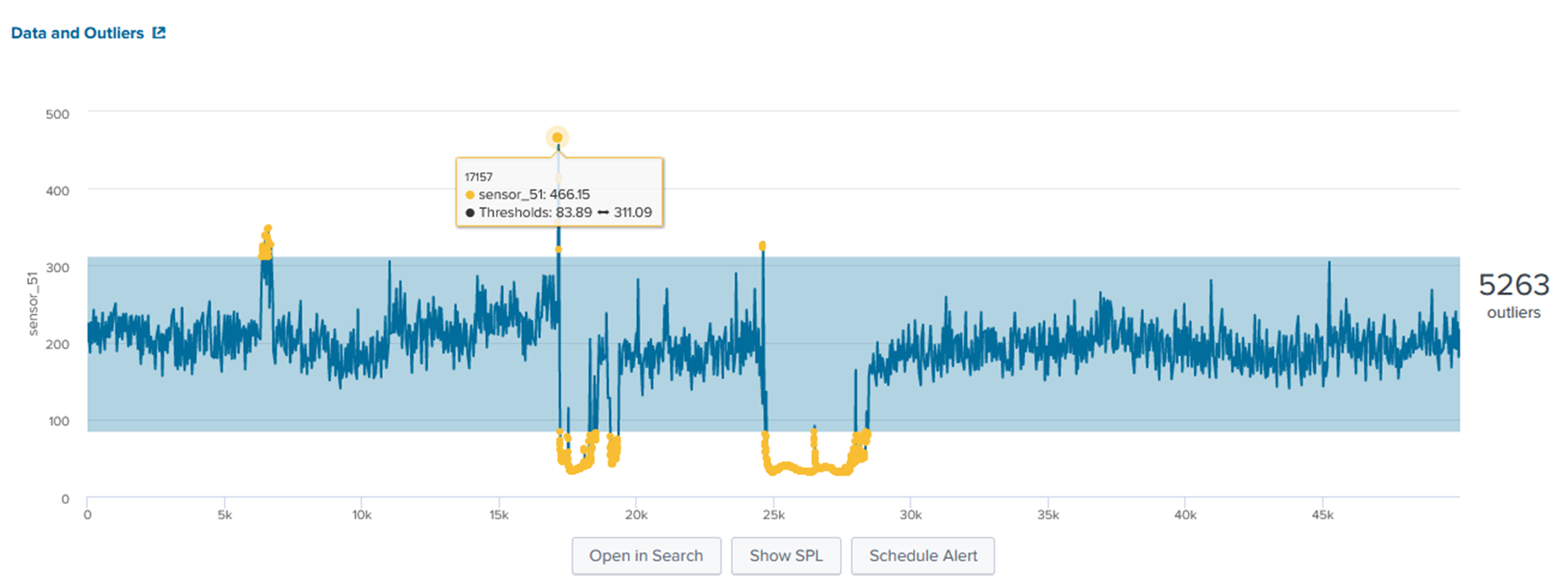
Condition-Based Monitoring & Predictive Maintenance
One of the highest-value applications of data analysis in maritime operations is predictive maintenance. Instead of reacting to failures or following rigid maintenance schedules, we enable condition-based monitoring — where maintenance decisions are driven by actual equipment health data.
We build models that analyze real-time sensor data to detect early warning signs of equipment degradation. This means interventions happen when they’re needed, not too early (wasting resources) and not too late (causing breakdowns). The result is reduced downtime, extended equipment life, optimized spare parts inventory, and lower maintenance costs.
Performance Optimization & Benchmarking
Data analysis enables fleet-wide performance optimization. We benchmark vessel performance against each other, against design specifications, and against historical baselines. We identify which operational parameters are driving fuel efficiency, which routes are optimal under different conditions, and which maintenance practices extend equipment life.
This isn’t theoretical. Improvements in fuel efficiency, reduced unplanned downtime, and extended maintenance intervals — all directly attributable to data-driven decision-making — can be achieved.
Data Analysis
From raw sensor data to actionable insights
A four-phase approach to unlocking vessel intelligence
Data Integration
Collect and unify sensor data from all onboard sources into a single, consistent dataset
1–2 weeksAnalysis & Modeling
Apply advanced analytics, machine learning, and predictive modeling to uncover patterns
2–4 weeksInsights Report
Comprehensive report with findings, recommendations, and prioritized action items
1 weekMonitoring Dashboard
Ongoing analytics dashboard and alerting system for continuous performance monitoring
2–4 weeksWhy This Matters Right Now
The maritime industry is undergoing a digital transformation that’s accelerating faster than most operators anticipated. Every new regulation — CII ratings, EEXI compliance, EU ETS, FuelEU Maritime — demands accurate performance data and evidence-based reporting. But beyond compliance, the economic incentives are powerful. Fuel costs represent 40-60% of a vessel’s operating expenses. Even a 2-3% improvement in fuel efficiency, identified through data analysis, translates to significant annual savings.
Competitive Pressure Is Real
Fleet operators who leverage data analysis are already outperforming those who don’t. They identify fuel optimization opportunities before competitors. They predict maintenance needs before breakdowns occur. They benchmark performance across their fleet and share best practices. In an industry where margins are thin and competition is global, data-driven operators have a clear advantage.
Regulatory Data Demands
Modern maritime regulations don’t just require reporting — they require accurate, timely, and auditable data. CII ratings demand reliable fuel consumption data across voyages. EEXI compliance requires documented engine performance records. EU ETS demands precise CO₂ calculations based on actual operational data. Without proper data analysis infrastructure, compliance becomes reactive, error-prone, and resource-intensive.
Technology Is Ready
The sensors, IoT devices, and data platforms needed for maritime data analysis are mature and proven. The analytics techniques — machine learning, predictive modeling, real-time monitoring — are established and accessible. The barrier isn’t technology availability. It’s the expertise to properly collect, analyze, and act on the data. That’s where we come in.
Regulatory Impact — Data Analysis Value
How data analysis enables compliance and operational excellence across every major maritime regulation:
Regulatory Impact — Data Analysis Value
How data analysis enables compliance and operational excellence
Across every major maritime regulation