Intelligent Simulation is the engineering service that virtually tests, optimizes, and validates your industrial processes before any physical change is made. We don’t sell software licenses. We don’t push subscription platforms. We provide expert process simulation services that model your systems with physics-based accuracy, test “what-if” scenarios safely, and deliver actionable optimization recommendations that improve efficiency, reduce waste, and prevent costly operational mistakes.
The marine, oil & gas, and industrial sectors run on complex processes. Every facility contains interconnected systems — heat exchangers, fluid networks, power generation cycles, chemical processes, thermal management systems. Each system must operate efficiently under varying conditions while meeting performance targets, safety standards, and environmental regulations. But traditional process design and optimization approaches rely on physical prototyping, conservative operating margins, and reactive troubleshooting. That’s expensive, risky, and often reveals inefficiencies too late in the process.
According to industry assessments, over 50% of process optimization opportunities are missed because operators lack the tools and expertise to model and simulate their systems under varying conditions. Physical modifications are made, tested, found to be insufficient, and reversed. Each iteration costs time, money, and operational disruption. The cost of getting process design wrong isn’t just financial — it’s a matter of efficiency, safety, and competitive viability.
When a facility manager invests in process improvements, they expect confidence in those improvements before implementation. But without proper simulation, that confidence is based on limited operating experience and engineering intuition alone. No one knows if a proposed modification will improve efficiency or create new problems. No one can visualize how the system responds to changing loads, feed conditions, or environmental parameters. No one can safely test extreme scenarios. The process exists, but the optimization potential is unrealized.
And yet, despite this being the single biggest opportunity for process excellence and cost reduction in industry, virtually no one offers accessible, expert simulation services focused on practical industrial and maritime applications. Every software vendor assumes you have in-house process engineering expertise. Every consulting firm charges premium rates for limited analysis. And every operations team is left with processes they can’t fully optimize.
What We Do
Process Modeling & Design Verification
We begin every engagement by building a comprehensive simulation model of your process. This isn’t just running a software package — it’s creating a dynamic, physics-based digital representation of your actual system. We model material flows, energy transfers, fluid dynamics, and thermal interactions using established engineering principles and validated mathematical algorithms.
This isn’t a surface-level model. We incorporate your actual operating data, equipment specifications, and process constraints. We validate the model against real-world performance to ensure accuracy. The result is a trusted simulation environment where you can test changes, evaluate alternatives, and optimize performance with confidence.
What-If Scenario Testing & Optimization
Once the model is validated, we explore the optimization space. We test “what-if” scenarios — changing operating parameters, modifying equipment configurations, adjusting feed conditions, evaluating alternative process configurations. We quantify the impact of each scenario on efficiency, throughput, energy consumption, and operational costs.
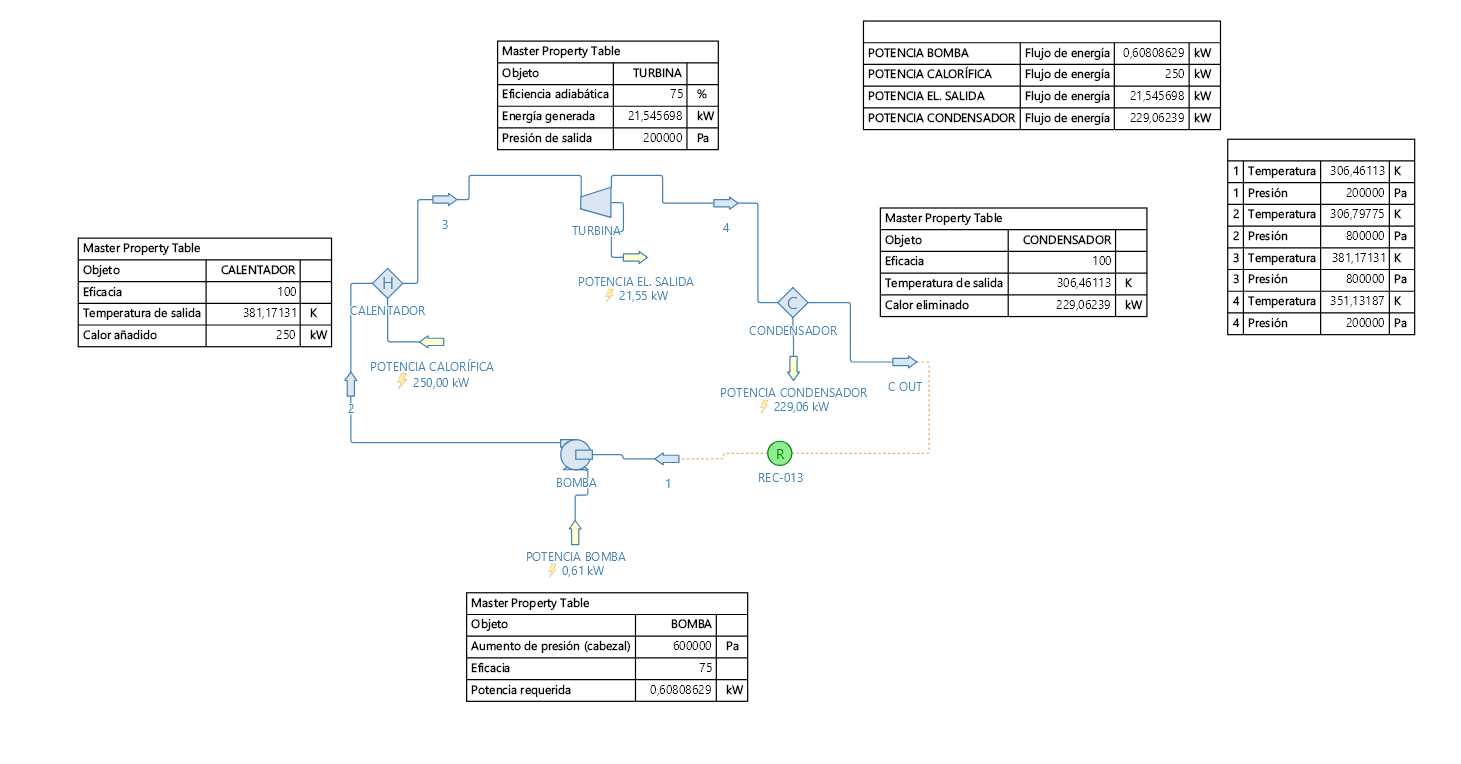
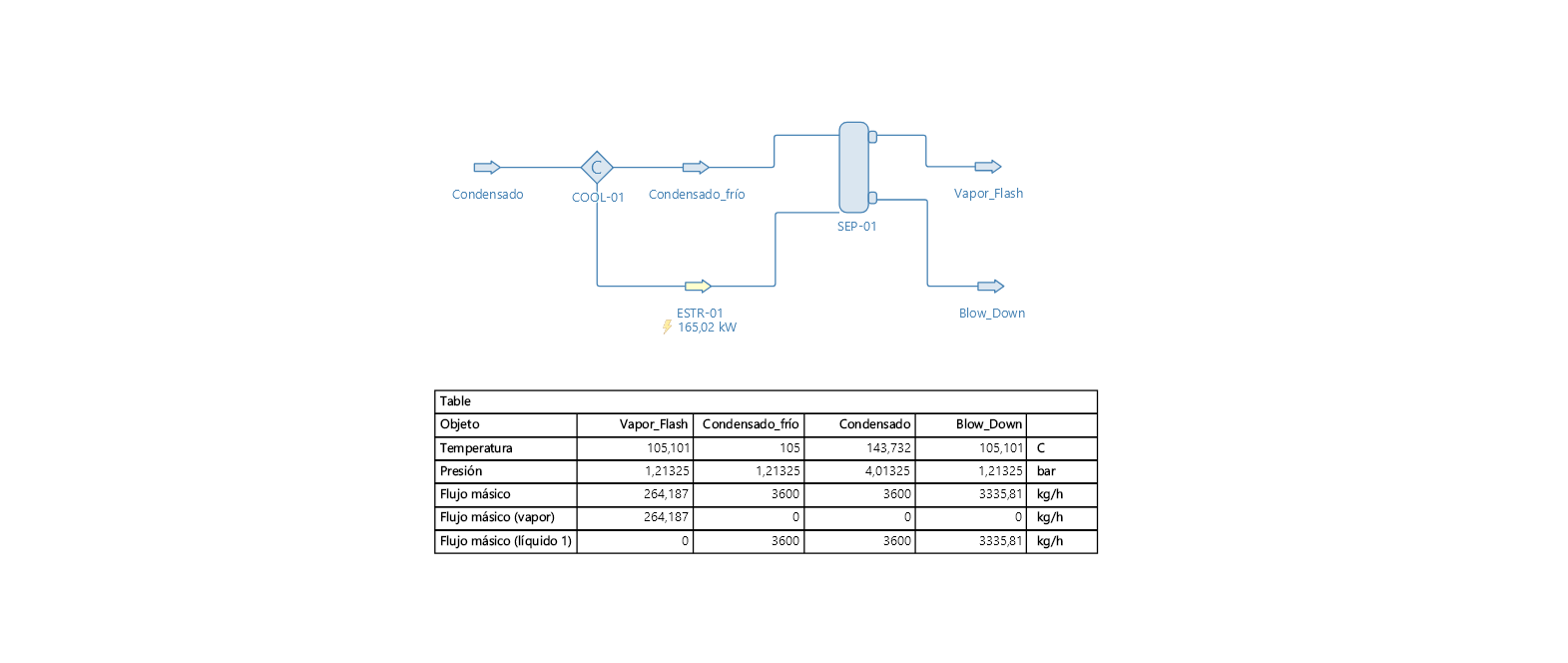
For heat recovery systems, we model different operating temperatures and flow rates to identify optimal configurations. For power generation cycles, we evaluate component sizing and operating conditions for maximum efficiency. We don’t just tell you what works — we show you the quantitative trade-offs so you can make informed decisions.
Performance Diagnostics & Bottleneck Identification
Processes rarely operate at their optimal point. Design assumptions change. Equipment degrades. Operating conditions shift. We use simulation as a diagnostic tool to identify performance gaps and bottlenecks in your existing operations. By comparing simulated optimal performance against actual operating data, we pinpoint where improvements are possible and quantify their potential impact.
We analyze energy losses, pressure drops, thermal inefficiencies, and capacity constraints. We identify which modifications deliver the highest return on investment and which changes have minimal impact. This targeted approach ensures your optimization efforts focus on the changes that matter most.
Sustainability & Emissions Optimization
Modern industrial operations face increasing pressure to reduce emissions and improve sustainability. We integrate environmental metrics into our simulation models, analyzing how process changes affect energy consumption, waste generation, and emissions. We identify optimization opportunities that simultaneously improve efficiency and reduce environmental impact.
We model carbon footprint scenarios, waste heat recovery potential, and alternative process configurations for lower emissions. This ensures that your optimization strategy aligns with both economic and environmental objectives — because the best process improvements improve both the bottom line and sustainability metrics.
Benefits
The following benefits result from a thorough simulation of a given system:
- Optimized Design: Designs can be tested and verified in a virtual environment, ensuring that systems meet performance requirements before physical implementation.
- Improved Operational Efficiency: Intelligent simulations highlight inefficiencies, enabling targeted interventions to boost productivity and reduce waste.
- Predictive Maintenance: By simulating equipment wear and tear based on real-time data, maintenance activities can be predicted and scheduled, reducing unexpected downtime.
- Enhanced Safety and Compliance: Virtual testing of hazardous scenarios ensures systems are robust and compliant with safety standards.
- Sustainability: Simulations optimize resource usage and reduce emissions, aligning operations with environmental goals.
This technology represents a fundamental shift—from reactive troubleshooting to proactive, data-driven optimization. Intelligent process simulation is not just a tool for the present; it is an essential cornerstone of the industrial future.
Why This Matters Right Now
The industrial and maritime sectors face unprecedented pressure to improve efficiency and reduce operating costs. Energy costs continue to rise. Regulatory requirements for emissions and sustainability are tightening. Every percentage point of efficiency improvement translates directly to the bottom line. Simulation is no longer a luxury — it’s a necessity for competitive, sustainable operations.
Physical Trial-and-Error Is Too Risky
Every operations team we talk to wants to optimize their processes. They’ve made modifications. They’ve tested new configurations. They’ve discovered that some changes improved performance while others created new problems. Each physical trial costs operational downtime, material waste, and sometimes safety risks. Simulation eliminates that risk by validating changes virtually before any physical implementation.
Competitive Advantage Through Optimization
Facilities that leverage intelligent simulation first achieve something their competitors can’t match: complete process understanding. They identify optimization opportunities others miss. They quantify the impact of changes before implementation. They reduce energy consumption and waste. They accelerate time-to-optimization. In an industry where margins are thin and efficiency is paramount, facilities with simulation capabilities have a decisive advantage.
Technology Is Mature and Proven
Process simulation technology for thermal systems, fluid networks, and power cycles is mature and proven. The simulation techniques — steady-state modeling, transient analysis, thermodynamic modeling, heat transfer analysis — are established and reliable. The barrier isn’t technology availability. It’s the expertise to properly set up, run, and interpret simulation results for specific process challenges. That’s where we come in.
Find out how we can help, contact us for further information.