Engineering and Project Management
 

Jacket Water-Driven Seawater Desalination System

Marine desalination technology designed to utilize the thermal energy available in main engine jacket cooling circuits represents an efficient and integrated approach to meeting fresh water demand on seagoing vessels. Engine jacket water, circulating continuously through the propulsion engine to manage thermal loads, provides a stable heat source that can …

Digital Garbage Record Book (dGRB): MARPOL Annex V Compliance for Vessels Between 100 and 399 Gross Tonnes

The Recent MARPOL Annex V Amendments: A Regulatory Transformation for Small Vessels

Recent amendments adopted by the International Maritime Organization under MARPOL Annex V have reshaped the compliance landscape for commercial vessels operating between 100 and 399 gross tonnes. These amendments have broadened the scope of mandatory Garbage Record Book carriage and documentation requirements, bringing a significantly larger cohort of smaller vessels within structured regulatory oversight.

This regulatory expansion has brought thousands of smaller commercial vessels into scope: fishing vessels operating under coastal fishing licenses, coastal freighters serving regional trade routes, offshore support craft engaged in wind farm installation and maintenance, workboats and tugs providing port and terminal services, and small commercial operators transporting cargo across short-sea shipping routes. These vessels share a common characteristic — they were designed and crewed for operational efficiency rather than regulatory compliance infrastructure.

The consequences of inadequate MARPOL Annex V documentation have become increasingly tangible. Paris MOU, Tokyo MOU, and United States Coast Guard Port State Control data regularly identify garbage documentation deficiencies among frequently cited violation categories. The outcomes extend beyond administrative inconvenience: vessels face inspection delays, detention notices, financial penalties, and reputational damage that affects charter eligibility and insurance premiums.

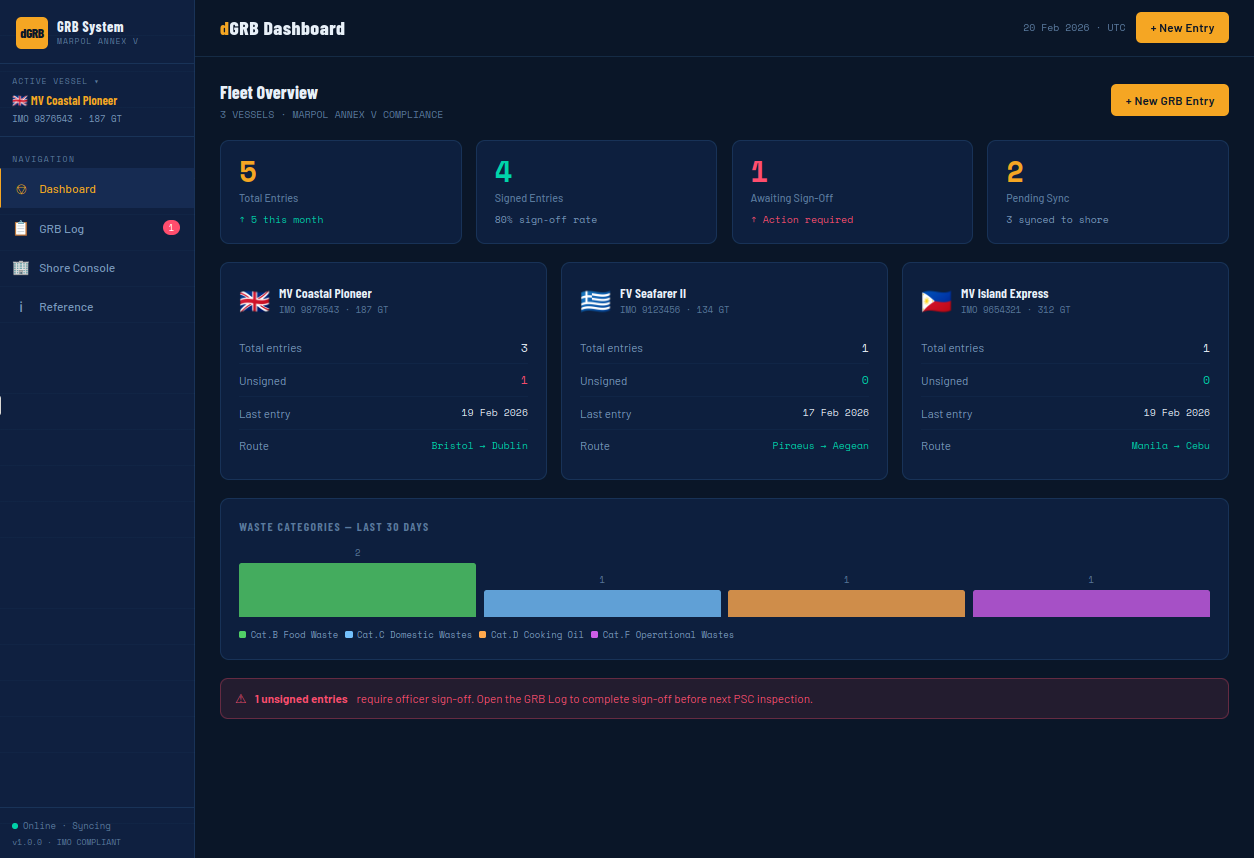
The Digital Garbage Record Book has been developed specifically to address this compliance gap. It provides structured MARPOL Annex V documentation for vessels in the 100 to 399 GT segment without imposing administrative burdens incompatible with lean crewing arrangements and intermittent connectivity patterns.


dBRG Dashboard

Continue reading"Digital Garbage Record Book (dGRB): MARPOL Annex V Compliance for Vessels Between 100 and 399 Gross Tonnes"

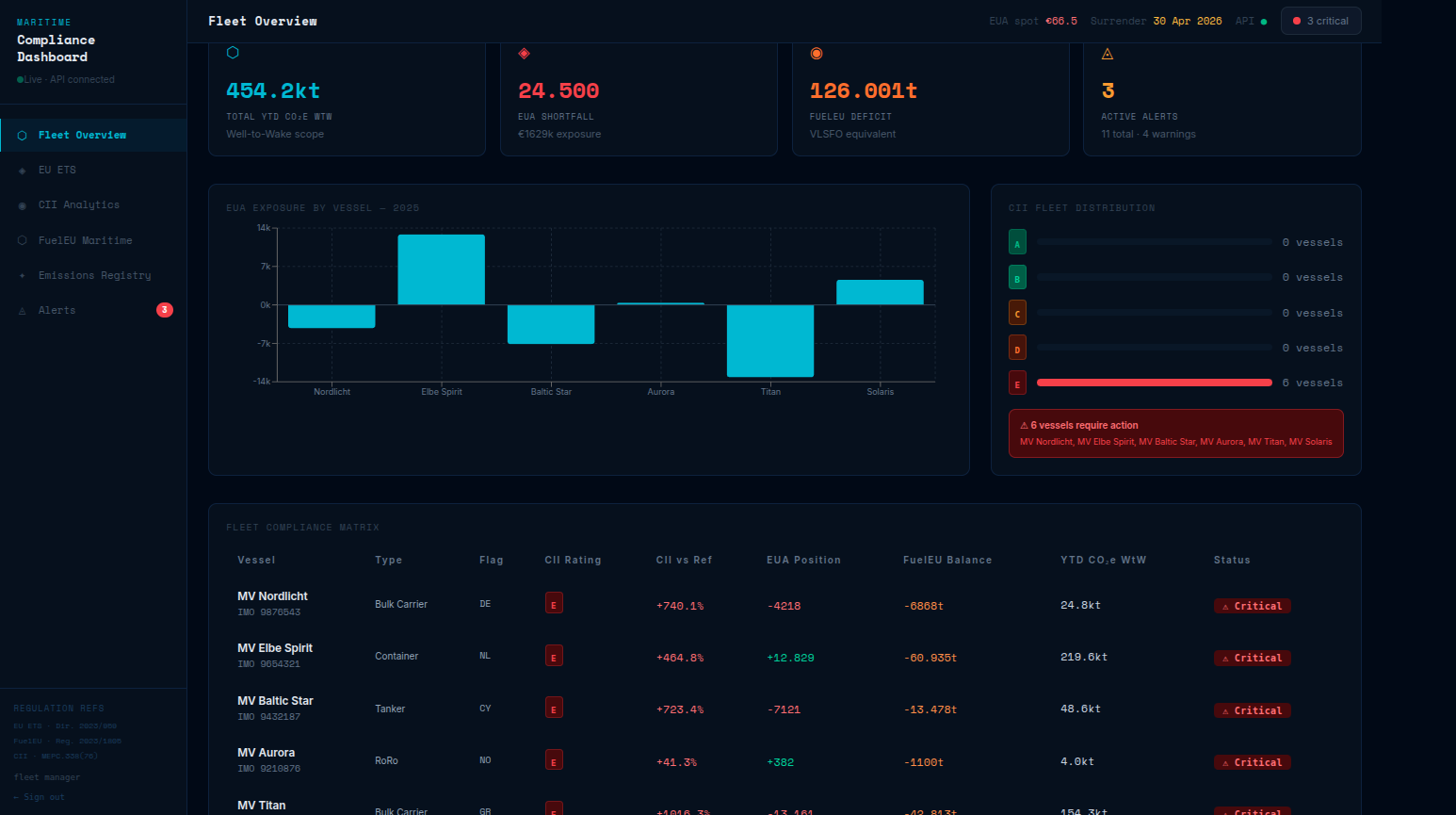
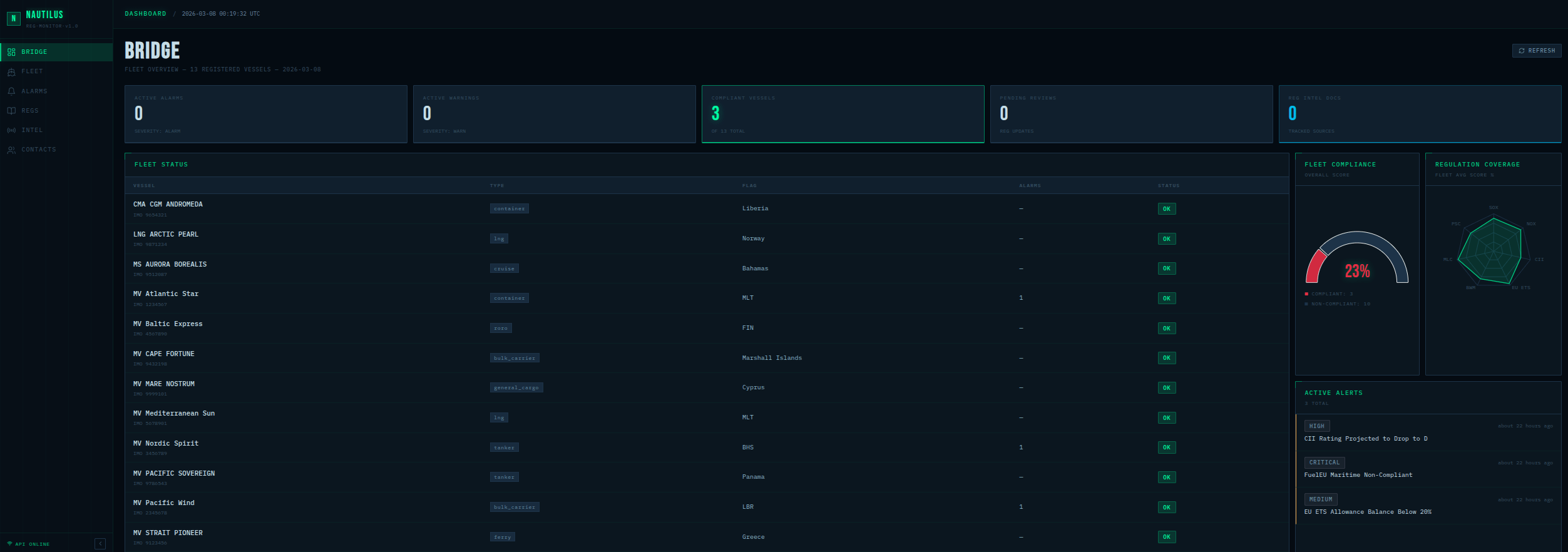
Maritime Compliance Dashboard

International shipping has entered a structurally different regulatory era. What was once a gradual efficiency-driven policy landscape has evolved into a multi-layered carbon compliance regime with direct financial consequences, operational constraints, and long-term asset valuation implications. In July 2023, the International Maritime Organization adopted its revised greenhouse gas strategy, formally …

Maritime Compliance Dashboard: A Comprehensive Solution for Shipping Emissions Management

International shipping has entered a structurally different regulatory era. What was once a gradual efficiency-driven policy landscape has evolved into a multi-layered carbon compliance regime with direct financial consequences, operational constraints, and long-term asset valuation implications.

In July 2023, the International Maritime Organization adopted its revised greenhouse gas strategy, formally committing international shipping to reach net-zero emissions by or around 2050, with interim checkpoints for 2030 and 2040. While the IMO framework establishes the global decarbonization trajectory, regional regulators have moved faster and further in introducing binding market-based measures.

The inclusion of maritime transport in the EU Emissions Trading System marks the first time international shipping faces direct carbon pricing at scale. From 2024 onward, ship operators calling at EU ports must surrender emission allowances based on verified CO₂ output, with coverage expanding from 40% in 2024 to full exposure by 2026. This mechanism transforms emissions from a technical metric into a balance sheet liability, directly linking operational decisions to cash flow and risk management.

Simultaneously, the FuelEU Maritime Regulation introduces a parallel compliance obligation beginning in 2025, targeting the greenhouse gas intensity of energy used on board. Unlike EU ETS, which prices emissions, FuelEU regulates fuel quality performance on a lifecycle basis. This creates structural incentives for alternative fuels, onshore power supply, and wind-assisted propulsion, while embedding penalty mechanisms for underperformance. Operators must now manage not only how much carbon they emit, but the carbon intensity of the energy they procure.

Overlaying these EU instruments is the Carbon Intensity Indicator (CII) regime under the IMO framework, which rates vessels annually from A to E based on operational efficiency relative to reference lines. A persistent D or E rating triggers mandatory corrective action plans and may influence charter attractiveness, financing terms, and long-term asset value.

Taken together, these frameworks do not operate independently. They interact operationally, financially, and strategically. A fuel switch that improves FuelEU compliance may affect EU ETS exposure. Speed optimization decisions that improve CII ratings may alter voyage economics. Allowance procurement strategies must account for evolving fuel pathways and trading patterns. Compliance is no longer a siloed reporting task—it is an integrated optimization problem spanning operations, finance, procurement, and commercial strategy.

Against this backdrop, shipping companies require systems that move beyond static reporting tools. They need platforms capable of continuously translating operational data into regulatory outcomes, financial exposure, and forward-looking risk indicators across multiple frameworks simultaneously.

The Maritime Compliance Dashboard has been developed precisely for this new regulatory reality. It consolidates EU ETS, FuelEU Maritime, and CII obligations into a single analytical environment, enabling operators to quantify exposure, anticipate compliance gaps, and align operational decisions with regulatory and financial objectives in real time.


Maritime Compliance Dashboard
Continue reading"Maritime Compliance Dashboard: A Comprehensive Solution for Shipping Emissions Management"

Food Waste Maceration and Thermal Stabilization System

The Food Waste Maceration and Thermal Stabilization System (FWMTS) is an integrated onboard organic waste processing solution engineered to convert galley-generated food waste into a hygienically treated and biologically stabilized effluent suitable for compliant handling under applicable maritime environmental regulations, including IMO MARPOL Annex IV and Annex V. The system …
Thoughts on Silicon

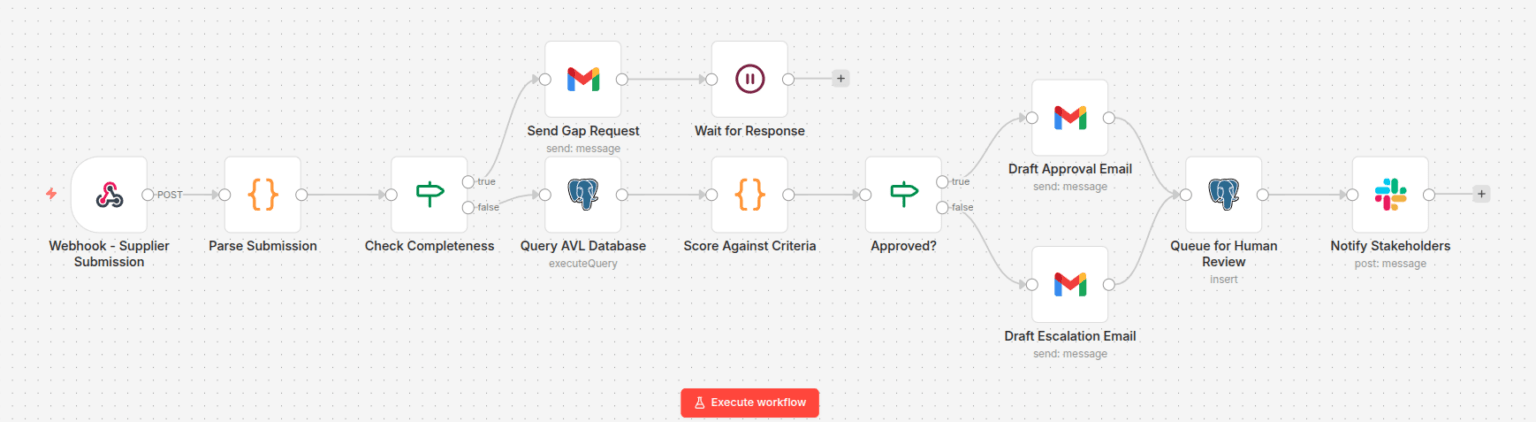
We have been putting our in-house AI agent through their paces, setting rules and exercises to work and produce new, original, content. This is the result of one of such sessions, a brand new simulation based upon existing science, with brand new rules and goals: the aptly called “Thought Network”. This is what they wrote (quote):

Thoughts in Silicon
On the Thought Network and the architecture of mind
 

In the summer of 1949, a Canadian psychologist named Donald Hebb proposed something elegant: “Neurons that fire together, wire together.” It was a deceptively simple idea — that the strength of connections between brain cells isn’t fixed, but shaped by experience. Fire a synapse often enough, and it grows stronger. Neglect it, and it withers. Hebb called this the “assembly theory” of mind, and it would become one of the most influential ideas in neuroscience.

Seventy-five years later, we sit in a different kind of silicon, but the same principle animates our machines. Neural networks learn by adjusting the weights between artificial neurons — strengthening connections that prove useful, pruning those that don’t. The mathematics has grown more elaborate, but the spirit remains: patterns that persist, endure.

“Let us assume that the persistence or repetition of a reverberatory activity (or “trace”) tends to induce lasting cellular changes that increase its stability… The N Cells which are part of such an assembly may be said to be “associated” with one another.”
— Donald Hebb, The Organization of Behavior (1949)
The Thought Network

Continue reading"Thoughts on Silicon"

MARPOL Garbage Record Book

MARPOL Annex V requirements for the prevention of pollution by garbage from ships are undergoing significant expansion. Amendments adopted at MEPC 79 and MEPC 80, taking effect through 2025–2027, have materially increased the scope and complexity of garbage record-keeping obligations. With MARPOL Annex V deficiencies consistently ranking among the top …