
The engineering fee for an offshore container is a small figure against the total project cost. That is precisely why it receives insufficient scrutiny — and precisely why problems that originate in the engineering phase end up costing multiples of the original fee by the time the container reaches the offshore location. This article is for project managers and commercial leads who carry the budget and schedule risk, and who need to understand where that risk actually sits.
The Visible Cost and the Real Cost
Offshore container engineering typically represents less than 5% of the total project cost. Fabrication, logistics, certification fees, and offshore mobilisation make up the rest. A container that costs €150,000 to engineer will cost somewhere between €1.5 million and €3 million all-in, depending on complexity and location.
Now consider the multiplier. An engineering error discovered during fabrication requires rework at the manufacturer’s facility — additional material, re-welding, or structural modification, all charged back, all with schedule impact. An engineering error discovered at the offshore container certification stage requires re-engineering, re-submission, and potentially re-testing — before the certificate is issued and the container can be mobilised. An engineering error discovered offshore is a different category entirely.
The cost progression is not linear. Each stage of discovery multiplies the cost of correction. Engineering is the cheapest place to fix a problem. Certification is more expensive. Fabrication is more expensive again. Offshore modification is the most expensive scenario, and in some cases it is not possible at all.
Offshore Container Certification Failure
Certification failure is the most common consequence of inadequate offshore container engineering. DNV or Lloyd’s Register reviews the design package — calculations, drawings, material specifications, and test schedules — and either approves or rejects the submission. A rejection adds weeks to the schedule.
Design review turnaround at DNV or Lloyd’s Register is typically 3–6 weeks for a complex offshore container submission. If the submission is rejected and must be re-engineered and resubmitted, you add another 3–6 weeks minimum. Two review cycles is not unusual for first-time submissions with a less experienced engineering supplier.
On a North Sea project, vessel day-rates run to hundreds of thousands of euros per day. A DNV 2.7-1 certification delay of four weeks can represent a cost impact that is an order of magnitude greater than the offshore container engineering fee. Yet the engineering fee is where budget pressure is applied, not the certification risk.
Deck Interface Problems
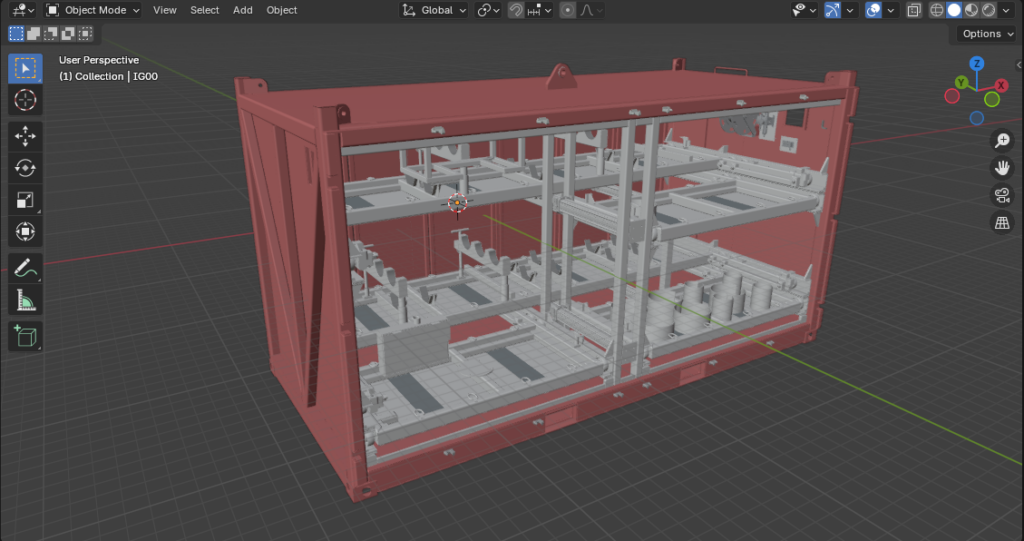
An offshore container that arrives with pad eyes in the wrong position cannot be lifted. The root cause is almost always the same: the engineering was done without access to the vessel’s deck arrangement drawings, or the interface information was not included in the design brief.
The cost of modifying pad eyes offshore — cutting and welding in new positions, re-certifying the affected structure — is typically two to three times the cost of getting the interface right in the engineering phase. In some jurisdictions, the modification requires a formal engineering deviation with client approval, adding further time and cost.
Recertification After Offshore Container Modification
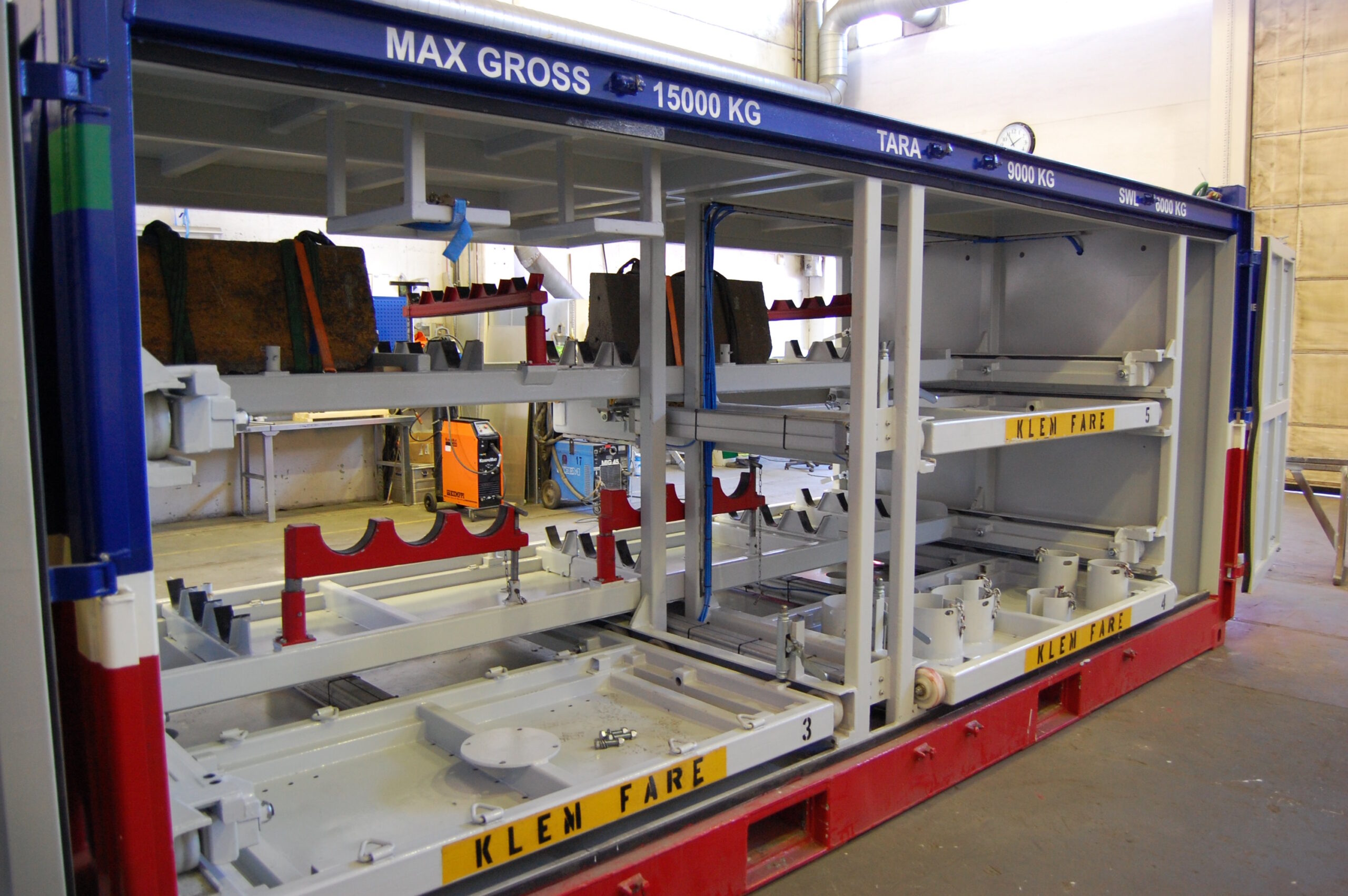
Any modification to a certified offshore container — an additional penetration, a bracket welded to the frame, a change to the pressure boundary — requires recertification of the affected scope. The original DNV 2.7-1 certificate does not remain valid across modifications that alter the certified design.
Modifications made offshore, without the involvement of the original engineering supplier or the certification body, create a container that is uncertified as modified. This is a compliance problem that operators take seriously — the lifting points, the pressure boundary, or the structural integrity of the container cannot be relied upon.
The lifecycle cost of low-quality offshore container engineering accumulates over the container’s operational life. Each modification, each recertification, each offshore intervention is a cost that should have been avoided at the design stage.
Ingeniat delivers offshore container engineering packages designed to pass certification first time. Request a proposal and we will outline exactly what the package covers — calculation scope, drawing scope, certification plan, and hold point schedule.
Share your project requirements below. We’ll review your specifications and respond with a detailed engineering proposal.